

Send us the image batch. We return context-aware, internally reviewed draft alt text — descriptive enough to satisfy WCAG, specific enough to strengthen on-page SEO.
Alt text at scale is one of the most time-consuming parts of larger remediation jobs — especially legacy image libraries with hundreds of undocumented assets. Send us the image batch; we return draft alt text, reviewed internally, ready for your final QA. No software adoption. No workflow change. Final judgment stays with you.

Handheld stainless steel whisk with rubberized grip mixing dark batter in a large glass bowl on a wooden cutting board, with two other glass bowls, a ceramic egg bowl, and a small white powdered sugar bowl nearby.
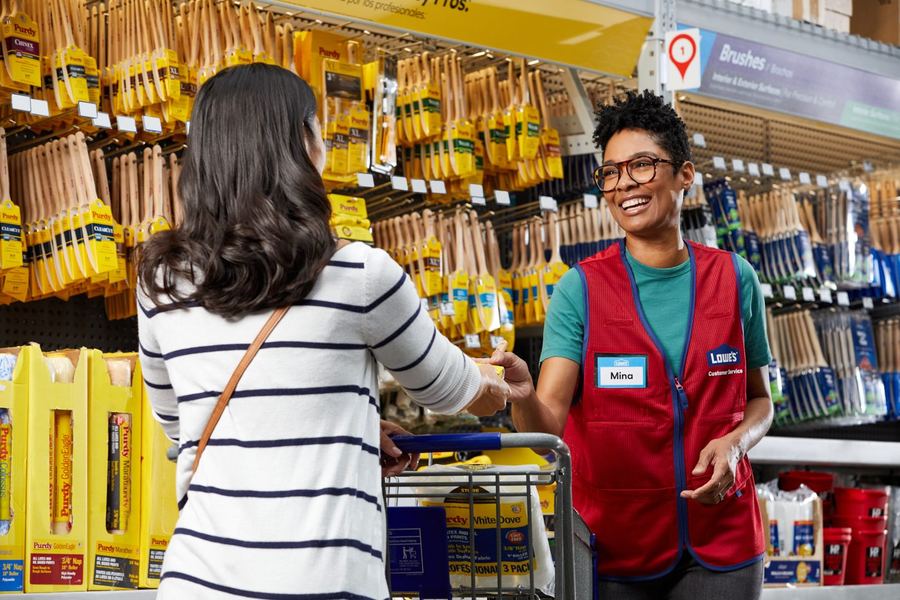
Lowe's employee in a Customer Service vest assists a customer in the hardware aisle. Shelves display Purdy Golden Edge and White Dove paintbrushes in yellow and blue packaging.
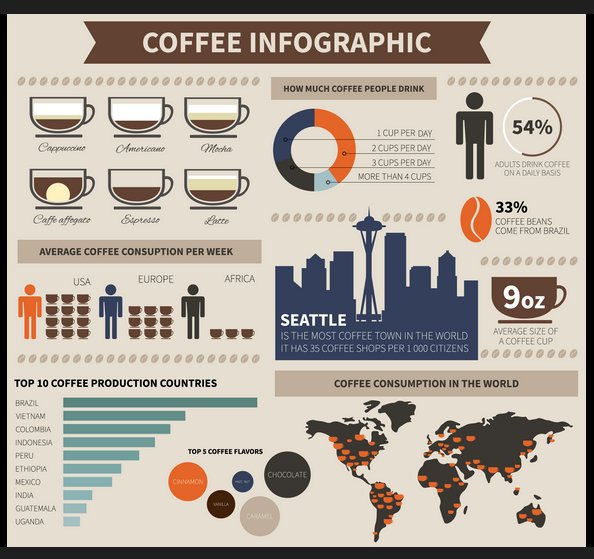
Coffee culture infographic showing daily consumption stats, regional averages, top producers and varieties in earthy browns and oranges with coffee cup icons and a world map.
Because our descriptions are detailed and context-aware, they also double as SEO-friendly copy that strengthens on-page search performance.
Hundreds or thousands of images per batch, drafted with full context awareness.
Every batch is reviewed by our team before it reaches your QA.
Functional first — that's what makes them audit-safe. Specific — that's what makes them SEO-friendly.
Spreadsheets keyed to filenames or URLs, CSV imports, or whatever your workflow expects.
One-off cleanup or a standing arrangement as your catalog grows.
The same description that satisfies an accessibility audit gives crawlers real signal about the image.
Review-ready draft alt text
Review-ready draft alt text

It must convey the function and content of the image in context — not just name the object. Decorative images are marked so screen readers skip them; informative images get specific, contextual descriptions like the samples above.
No. Descriptions are functional and context-aware first — that's what makes them audit-safe. Their specificity is what makes them SEO-friendly. Your team applies final keyword judgment during QA.
CMS-agnostic: spreadsheets keyed to filenames or URLs, CSV imports for platforms like Shopify or BigCommerce, or whatever format your developer workflow expects.
We review every batch internally before delivery; you or your client's team do final QA and publish. Final remediation judgment always stays with you.
Yes — complex images get both a concise alt text and, where WCAG requires it, guidance on long-form text alternatives so the underlying data is available to all users.
Digital Transformation | Platform Architects | Transatlantic Infrastructure
Innovate. Grow. Blast Off.
Serving Canada, European Union, Ireland, United Kingdom, and the United States of America.
Digital Transformation | Platform Architects | Transatlantic Infrastructure
Innovate. Grow. Blast Off.
Serving Canada, European Union, Ireland, United Kingdom, and the United States of America.